Adventure Travel in Saudi Arabia
Updated: Jul 27
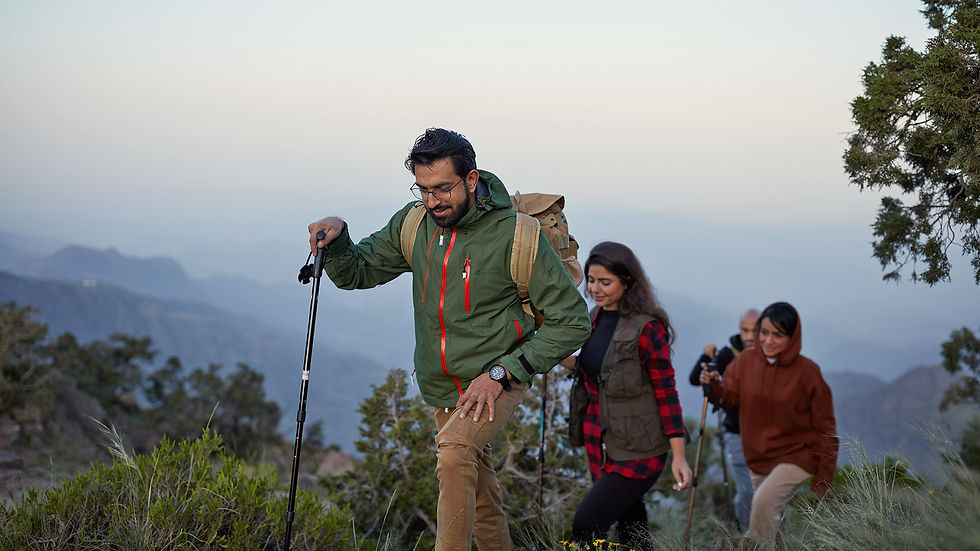
Saudi Arabia is often introduced through its cities and heritage sites, but much of the country’s character is found outdoors. Beyond the urban centres are sandstone canyons, highland forests, volcanic fields, open deserts, coral reefs, islands, escarpments and historic routes that can be explored on foot, by bicycle, from a boat or beneath the sea.
Adventure travel here does not have to mean taking extreme risks. It might be a guided walk through an oasis, a first snorkelling trip, a desert cycling tour or an evening beneath dark skies. At the more technical end, visitors can find scuba diving, climbing, long-distance hiking and activities that require specialist equipment and professional supervision.
This Saudi Arabia adventure travel guide explains the main experiences available, where to find them, when to travel and how to choose an activity that matches your ability, schedule and comfort level.
Why Choose Saudi Arabia for Adventure Travel?
The main advantage is variety. Central and northern Saudi Arabia contain broad deserts, dunes, plateaus and dramatic escarpments. The south-west rises into cooler, greener mountains around Aseer, Al-Baha and Jazan. The western coast meets the Red Sea, where reefs, islands and marine environments create a different type of journey. Volcanic landscapes and lava fields add another dimension around western and north-western parts of the country. This diversity also allows visitors to combine physical activity with Saudi culture and history. A hike may pass through an old village, desert exploration can lead to ancient rock art, and an outdoor day in AlUla can be paired with archaeological sites and oasis landscapes. Hegra in AlUla and the rock-art area of Hail are both UNESCO World Heritage properties, showing how closely Saudi landscapes and human history are connected. Visitor infrastructure is developing at different speeds across the country. Destinations such as AlUla and The Red Sea offer organised and bookable experiences, while other areas remain better suited to visitors who can arrange transport, navigation and local support in advance. Activity schedules may be seasonal, and some experiences close temporarily, so an outdoor itinerary should be checked again shortly before travel.
Types of Adventure Experiences in Saudi Arabia
Hiking and trekking
Hiking in Saudi Arabia ranges from accessible guided walks to demanding mountain and desert routes. The country’s trail environments include the Tuwaiq escarpment near Riyadh, sandstone valleys in AlUla, mountain paths in Aseer and Al-Baha, and remote wadis in the north-west.
Beginners should start with a short, established route led by someone familiar with the terrain. Experienced hikers may be comfortable on longer journeys, but remoteness, heat, route-finding and changing weather can make a trail more difficult than its distance suggests. The cooler months are generally better for central and northern routes, while the southern highlands can be suitable during parts of spring and summer.
Desert exploration
Desert adventures can include guided walks, dune experiences, off-road excursions, sandboarding, cycling, wildlife observation and overnight camps. Riyadh, Hail, AlUla and parts of the north and west all offer access to distinct desert landscapes.
A desert trip should never be treated as a simple drive beyond the city. Fuel, vehicle suitability, navigation, water, communications and recovery planning matter. Visitors unfamiliar with sand driving or remote desert travel are better served by an organised experience with an experienced local driver or guide.
Mountain experiences
Saudi Arabia’s mountain environments differ considerably from its central deserts. Aseer is known for high elevations, forests, mist and cooler conditions, while Al-Baha and Jazan offer mountain roads, villages, terraces and hiking possibilities. Official tourism guidance for Aseer recommends clothing suitable for mountain activities and notes that higher elevations may be cooler, particularly in the morning and evening. Mountain visitors should be prepared for steep roads, uneven paths, fog and localised rain. A walk that feels comfortable at sea level may be more tiring at elevation, especially when combined with heat or humidity.
Diving and snorkelling
Saudi Arabia’s Red Sea coast supports scuba diving, snorkelling and boat-based marine experiences. Jeddah is one of the most accessible starting points for visitors, while organised marine activities are also associated with The Red Sea destination and other coastal areas.
Snorkelling can suit beginners who are comfortable in the water and use appropriate supervision. Scuba diving requires recognised training or a properly managed introductory experience. Certified divers should still choose a dive that matches their qualification and recent experience rather than assuming every reef, current or depth is suitable.
Kayaking, sailing and other water activities
Marine adventures are not limited to diving. Official Red Sea Global activity information includes kayaking, canoeing, stand-up paddleboarding, sailing, windsurfing and other above-water sports. Actual availability depends on the destination, property, weather and operating schedule.
These activities can work well for active couples, families and mixed-ability groups because the level of exertion can often be adjusted. Beginners should look for calm-water sessions with instruction rather than choosing an exposed coastal route.
Cycling and mountain biking
Cycling experiences can range from relaxed rides on prepared routes to mountain biking and longer desert journeys. AlUla has offered expert-led cycling experiences designed for different fitness levels, although its official pages also show that some activities operate seasonally or may temporarily become unavailable. For independent riders, the main considerations are surface type, heat, traffic, repair equipment, water and the distance to assistance. Mountain biking on technical terrain requires skills that ordinary road or leisure cycling does not provide.
Climbing and rope-based activities
Climbing, abseiling, via ferrata routes, ziplines and rope-based challenges are available through organised settings in some destinations. AlUla’s official adventure portfolio, for example, has included a via ferrata, abseiling, a stairway experience and a zipline, though availability can change.
These are activities where professional oversight is particularly important. Visitors should follow the operator’s age, fitness and health requirements, attend the safety briefing and use the equipment provided. Natural rock climbing outside a managed experience requires appropriate technical competence, equipment and local access information.
Camping and stargazing
Camping can be as simple as a managed overnight experience or as demanding as an independent journey into a remote environment. Desert and mountain camps offer very different conditions, particularly in temperature, wind and access to services.
Stargazing can be enjoyed without strenuous activity and may suit beginners, couples and families. AlUla and The Red Sea both promote guided night-time or stargazing experiences, which can provide easier access and interpretation for international visitors.
Wildlife and nature experiences
Wildlife observation, conservation walks and nature tours offer a quieter form of adventure. They suit visitors who are more interested in landscapes and ecosystems than speed or technical challenge. The official Red Sea activity portfolio includes conservation-related tours, while protected and reserve areas elsewhere may have controlled access or visitor conditions. Wildlife should be viewed without feeding, pursuing or disturbing animals. Access rules may differ between reserves, so confirm them before traveling.
Major Adventure Regions
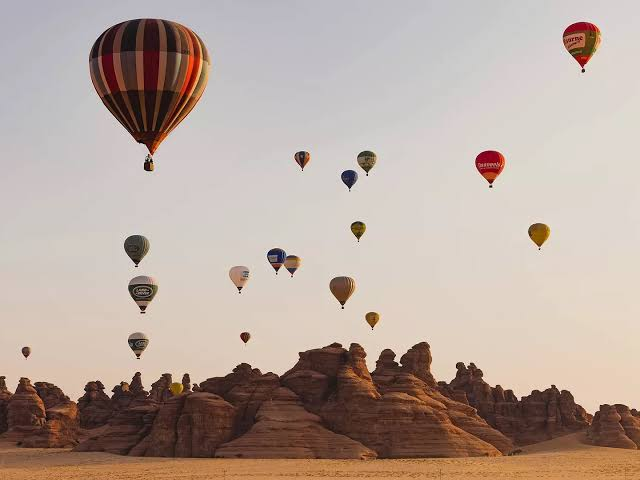
AlUla suits visitors who want organised adventure in a landscape that also carries archaeological and cultural importance. Hiking, cycling, stargazing, off-road exploration and rope-based activities have all appeared within its official experience programme. Some are suitable for newcomers, while others involve heights, harnesses or specific fitness requirements. Advance booking is sensible, and visitors should not assume that every advertised activity is available throughout the year. The best adventure activities in AlUla will depend on the season and the programme operating during your stay.
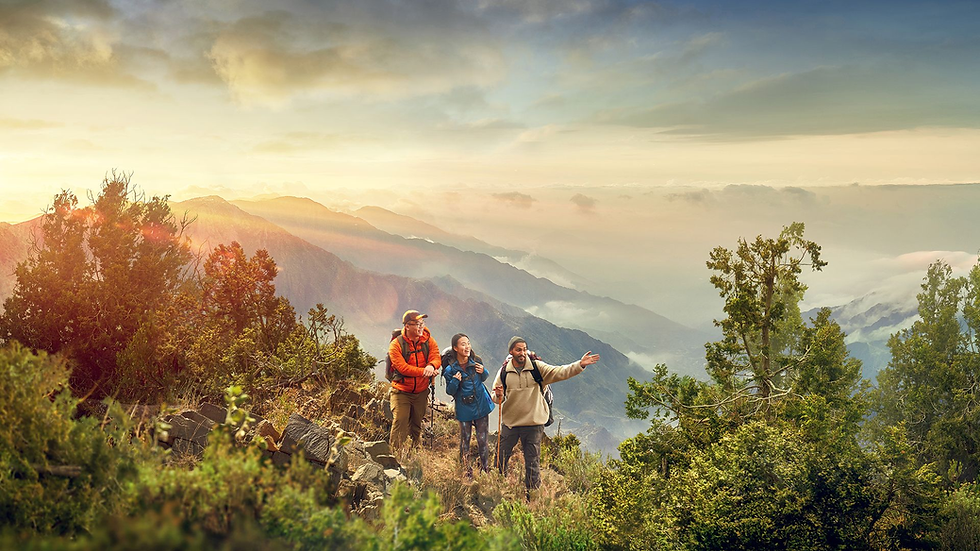
Aseer is a strong choice for mountain scenery, hiking, forest environments and cooler summer conditions. Abha is the region’s main visitor base, but many outdoor experiences are reached by road outside the city. The area suits walkers, photographers, active couples and visitors who prefer mountains to open desert.
Rain, fog and steep roads require attention, particularly in the highlands. Check forecasts and official warnings before setting out.
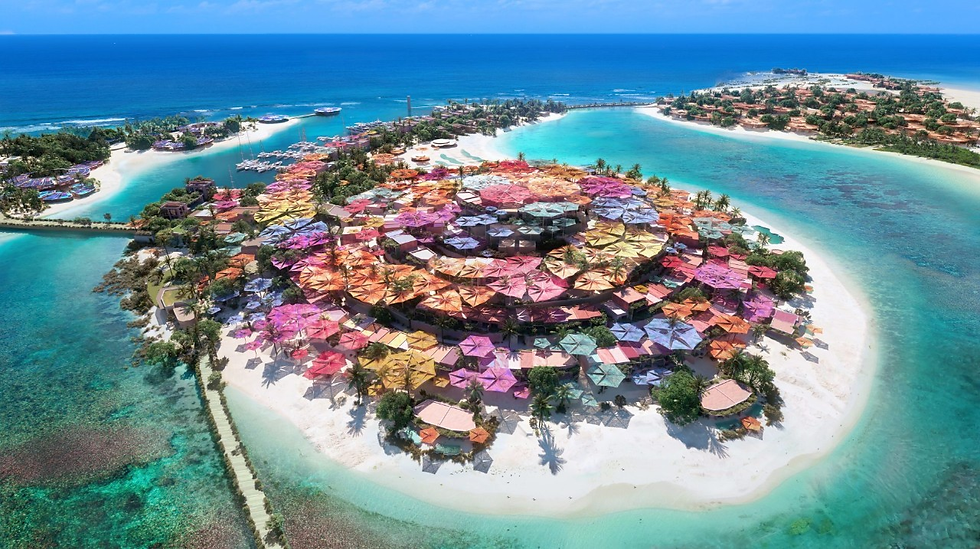
The Red Sea destination brings together marine and inland adventure. Its official activity portfolio includes diving, snorkelling, sailing, kayaking, paddleboarding, hiking, trail running, cycling, climbing, stargazing and conservation tours. Availability differs between resorts and operating locations, so these should be planned as organised experiences rather than assumed to be freely accessible across the destination.
It suits visitors seeking guided marine activities, couples combining adventure with a resort stay and travellers interested in desert and mountain adventures at The Red Sea.
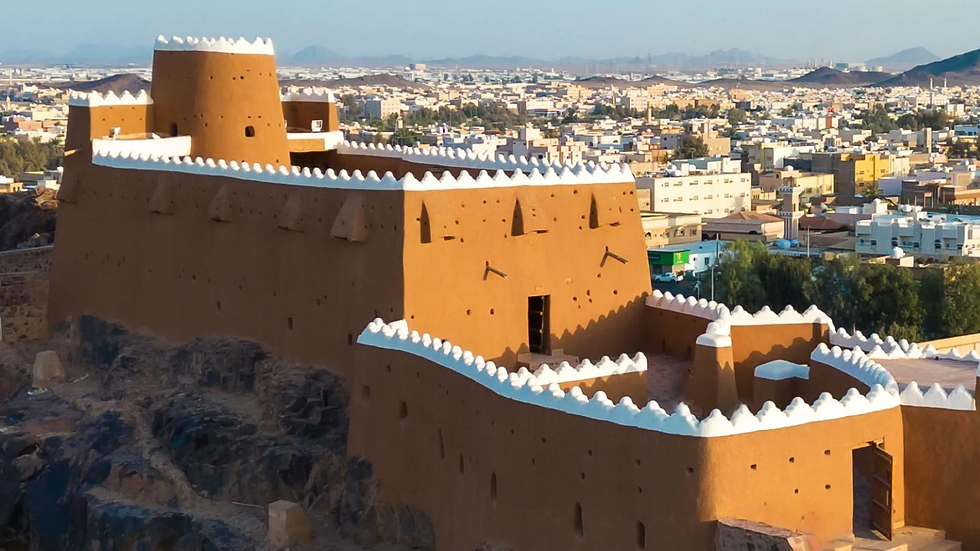
Hail combines desert environments with major cultural landscapes. The region is associated with dunes, rocky formations and the UNESCO-listed rock art around Jubbah and Shuwaymis. It is well suited to guided desert exploration, cultural journeys, photography and travellers who want to connect landscape with early human history.
Because important heritage areas are sensitive, visitors should use recognised access points and avoid touching, tracing or climbing on rock-art surfaces. More focused planning is best handled through a dedicated guide to desert adventures in Hail.
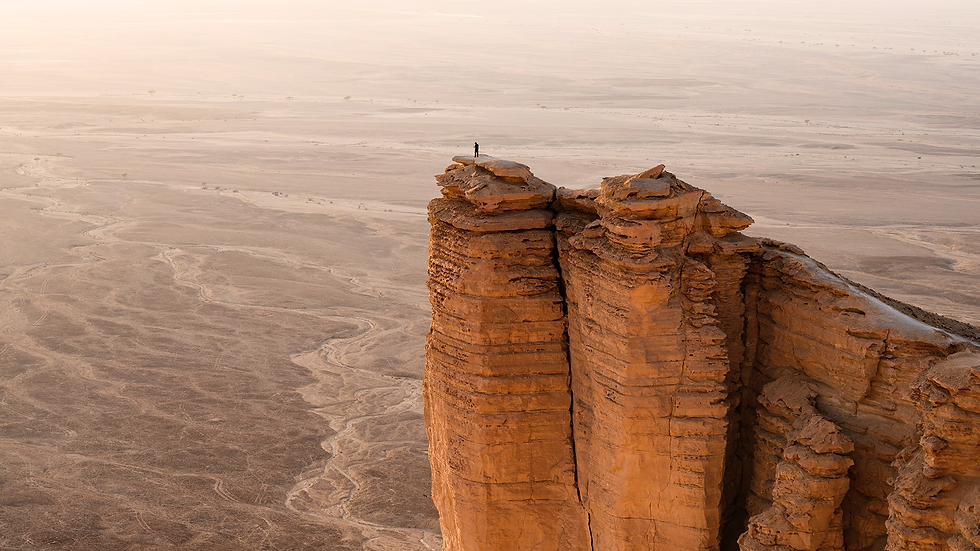
Riyadh and the surrounding desert
Riyadh provides relatively convenient access to desert scenery and the Tuwaiq escarpment. The area can suit visitors with limited time who want a guided day trip, an introductory hike or a desert evening without building a full multi-region itinerary. The Edge of the World is one of the best-known escarpment landscapes associated with the capital, although access conditions should always be checked before departure.
A guide or organised transfer is helpful where roads are unpaved, routes are unclear or mobile coverage may be unreliable.
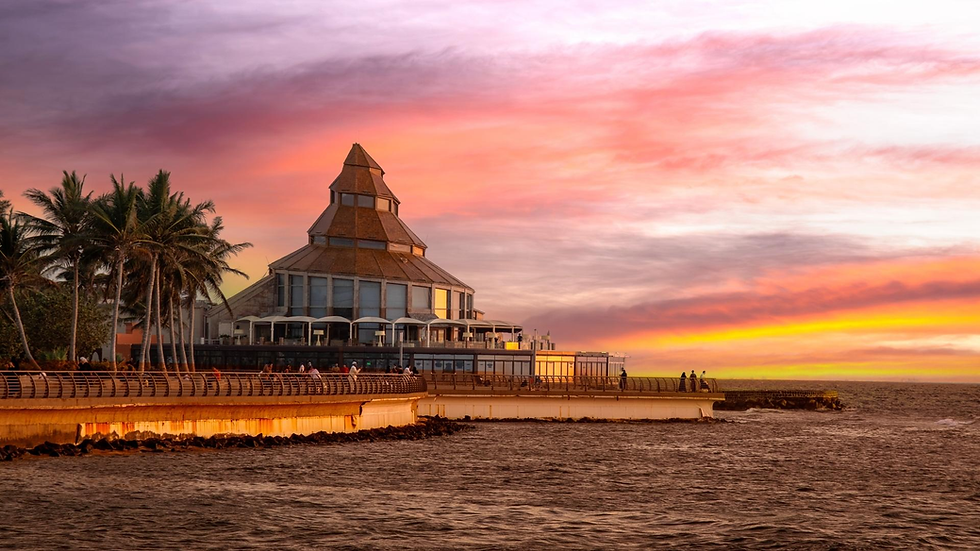
Jeddah is a practical base for visitors who want to add a marine activity to a city trip. Diving, snorkelling and boat experiences can be organised from the coast, making the city suitable for first-time divers, certified divers and travellers with only one or two days available.
The western coast is long, however, and conditions vary considerably. Do not assume that advice for one site applies to another; confirm departure points, sea conditions, equipment and certification requirements directly with the provider.
Tabuk, Jazan and Al-Baha
Visitors with more time can consider the valleys and mountains around Tabuk, the highlands of Jazan and the forested landscapes of Al-Baha. Official tourism information presents Wadi Al Disah near Tabuk as a destination for walking and outdoor trips, while Jazan’s Mountains offer a different southern mountain environment. These regions suit road-trip travellers and people comfortable planning beyond the main international tourism hubs. Local driving conditions, weather and the distance between services deserve particular attention.
Choosing an Adventure Based on Experience Level
Complete beginners should look for short guided walks, managed stargazing, calm-water kayaking, introductory snorkelling or organised cycling on prepared routes. The goal is to test comfort with heat, water, heights or uneven terrain without committing to a demanding day.
Moderately active visitors may enjoy longer hikes, mountain walks, desert cycling, guided off-road journeys or full-day marine excursions. Fitness helps, but preparation and local conditions still matter.
Experienced adventurers can explore more demanding routes and technical activities, provided their training matches the environment. Experience in another country does not automatically prepare someone for Saudi heat, remote desert navigation or local access conditions.
Families and mixed-ability groups should prioritise flexible activities with clear age requirements, nearby facilities and easy exit options. A short guided nature walk or managed water session is generally easier to adapt than a remote hike.
Visitors with limited time should choose one activity close to their trip base. Riyadh, Jeddah, AlUla and Abha can each support outdoor additions without requiring a cross-country itinerary.
Guided Versus Independent Experiences
Independent exploration can work for established routes, accessible viewpoints and simple outdoor activities when the visitor has reliable navigation, suitable equipment and a clear understanding of conditions.
A professional guide, qualified instructor or licensed operator is the better choice when:
The route is remote, unmarked or reached by off-road driving.
The activity involves climbing, ropes, scuba equipment or specialist safety systems.
You are unfamiliar with desert or mountain navigation.
Access is controlled through a reserve, destination or organised booking.
Weather, currents, terrain or evacuation options require local knowledge.
You need equipment, transport or a safety briefing.
The group includes beginners, children or people with different abilities.
Before booking, ask who leads the experience, what qualifications are relevant to the activity, what equipment is included, how emergencies are managed and whether insurance is provided or must be arranged independently.
When to Plan an Adventure Trip
Saudi Arabia does not have one uniform adventure season. Climate varies by region, elevation and proximity to the coast. Official climate guidance describes hot summers across much of the country while recognising significant regional differences.
Environment | General planning window | Main considerations |
Central deserts and Riyadh region | Usually autumn to early spring | Summer heat, exposed terrain and large temperature differences after sunset |
Northern regions and Hail | Usually cooler months | Cold winter nights, wind and remote driving |
AlUla and north-western deserts | Cooler months are often most comfortable | Seasonal activity schedules and strong daytime sun |
Aseer, Al-Baha and southern highlands | Spring and summer can be appealing | Rain, fog, steep roads and local weather changes |
Jeddah and the western coast | Marine activities may operate in different seasons | Heat, humidity, wind, sea state and visibility |
The Red Sea destination | Depends on the specific land or marine activity | Resort access, provider schedules and sea conditions |
Rain deserves particular attention in valleys and mountain areas. Saudi Civil Defense regularly advises the public to avoid valleys and other flood-prone locations during severe weather warnings.
Planning and Preparation
Build the trip around one region
Distances in Saudi Arabia can be substantial. Rather than trying to combine Riyadh, AlUla, Aseer and the coast in a short trip, select one or two regions and allow time for road transfers, rest and changing conditions. A broader Saudi Arabia travel guide can help you plan how the adventure component fits into the rest of your visit.
Confirm availability shortly before travel
Book technical and guided activities in advance, then reconfirm them. Weather, seasonal programming and destination operations can affect what is available. AlUla’s official pages, for example, may list activities as temporarily unavailable or “coming back soon”.
Pack for the environment, not only the temperature
Useful basics include supportive footwear, sun protection, layers, a hat, water, food, a charged phone and any personal medication. Mountain mornings can feel cool, while desert temperatures may fall quickly after sunset. Marine activities require suitable swimwear, sun protection and dry clothing for the journey back.
In public places and communities, Visit Saudi recommends loose-fitting clothing that provides appropriate coverage. Practical sports clothing can still be modest and suitable for local settings.
Plan communications and emergencies
Download maps where possible, carry a power bank and do not assume continuous mobile coverage in remote areas. Share your route and expected return time with someone who is not travelling with you.
Save the relevant emergency and assistance numbers before departure. Visit Saudi’s official travel guide publishes national contact information, including emergency medical consultation and transport-related support.
Check your insurance
Read the policy rather than assuming all outdoor activities are covered. Scuba diving, climbing, off-road driving and activities above certain elevations may require specific coverage. Keep evidence of your policy and the insurer’s emergency contact details accessible.
Safety and Responsible Exploration
Good adventure planning is not about removing every uncertainty. It is about understanding the main risks and making sensible choices. Check the weather and official alerts, stay within your training, follow closures and avoid informal routes that require skills you do not have. Technical activities should be managed by qualified professionals using appropriate equipment. On the water, follow the instructor’s briefing and never substitute confidence for swimming ability or dive training. Protect the landscape as carefully as you protect yourself. Use established paths where available, carry waste out, avoid collecting rocks or plants, keep a respectful distance from wildlife and leave archaeological features untouched. The Leave No Trace framework emphasises planning ahead, using durable surfaces, disposing of waste properly, leaving natural and cultural objects in place and respecting wildlife and other visitors. At heritage locations, do not climb on fragile structures, carve names, move stones or touch rock art. These landscapes are not only recreation areas; many are records of communities that lived and travelled through Arabia over thousands of years.
How to Choose the Right Adventure
Start with the landscape you genuinely enjoy, then narrow the choice using your ability and schedule.
Your priority | Consider | Ask before booking |
Easy first experience | Guided walk, stargazing, calm-water kayaking or introductory snorkelling | How long is it, and can I stop early? |
Mountains and cooler air | Aseer, Al-Baha or Jazan | How steep is the route, and what is the weather plan? |
Desert landscapes | Riyadh, Hail or AlUla | Is off-road transport included, and who manages navigation? |
Marine adventure | Jeddah or The Red Sea | What swimming ability, certification or equipment is required? |
Heights and technical challenge | Managed climbing, via ferrata or rope activities | What qualifications, briefing and safety systems are used? |
Limited time | A guided day trip from your main city | How much of the day is spent in transport? |
Family or mixed group | Short, adaptable activities near services | What are the age, height, fitness and supervision requirements? |
Independent travel | Established routes with reliable access | Are permits, local restrictions or specialist vehicles involved? |
Once you know your preferred environment, compare the best adventure activities in Saudi Arabia by season, physical demand, cost and the level of guidance required. The right choice is rarely the activity with the strongest photographs; it is the one that fits your actual experience and travel conditions.
Conclusion
Begin by choosing one landscape: desert, mountain or sea. Then decide how much physical effort and uncertainty you are comfortable with. A first-time visitor might start with a guided half-day activity near Riyadh, Jeddah, Abha or AlUla. A confident outdoor traveller may prefer a longer mountain, desert or marine itinerary with specialist local support. Families and active couples can focus on flexible experiences that combine nature with comfortable transport and reliable facilities.
After selecting your region, continue with the guide most relevant to your plans: hiking in Saudi Arabia, diving and snorkelling in Saudi Arabia, the best adventure destinations for beginners or a beginner’s guide to adventure safety in Saudi Arabia. From there, confirm current access, book the appropriate provider and build the rest of your itinerary around the experience rather than trying to fit it into an already crowded travel day.
Frequently Asked Questions
Is Saudi Arabia suitable for adventure travel?
Yes. Its deserts, escarpments, mountains, valleys, coastlines, islands and marine environments support a broad range of outdoor activities. The experience varies by region, so planning should be based on climate, terrain and available visitor services rather than treating the country as one uniform destination.
Which adventure activities are available?
Visitors can find hiking, desert exploration, camping, cycling, mountain biking, climbing, rope-based activities, diving, snorkelling, kayaking, sailing, paddleboarding, stargazing and nature experiences. Availability depends on the destination, season and provider.
Can beginners participate?
Yes. Beginners can start with short guided walks, introductory snorkelling or diving sessions, calm-water activities, managed cycling and organised stargazing. Choose an experience that clearly states its fitness, age and skill requirements.
What is the best season for outdoor activities?
Autumn to early spring is generally more comfortable for central and northern desert activities. The southern highlands can be attractive during spring and summer because of their elevation and milder conditions. Marine timing depends on heat, wind, sea state, visibility and operator schedules.
Are professional guides necessary?
Not for every simple outdoor visit, but they are strongly recommended for remote routes, unfamiliar desert terrain, controlled destinations and activities involving scuba equipment, climbing systems, off-road driving or technical navigation.
Is adventure travel suitable for families?
It can be. Families should prioritise short activities with clear age limits, nearby facilities, qualified supervision and the option to adjust or stop. Suitability depends more on the specific experience than the destination name.
What should visitors pack?
Pack suitable footwear, sun protection, layers, water, food, a charged phone, a power bank and personal medication. Add activity-specific equipment only when it is not supplied by the provider. For remote trips, carry offline navigation and emergency contact information.
Are permits required for outdoor activities?
Requirements vary according to the site, protected-area status and type of activity. Some destinations use formal bookings or controlled access, and organised activities may have their own conditions. Check the official destination, reserve authority or provider shortly before travel.
How should visitors prepare for remote areas?
Confirm the route, vehicle requirements, weather, water supply, communication options and distance to assistance. Share your itinerary and return time with another person, avoid travelling alone into unfamiliar remote terrain and turn back early when conditions change.
References
Adventure Tourism in Saudi Arabia — Visit Saudi.https://www.visitsaudi.com/en/stories/adventure-tourism-in-saudi-arabia-what-to-do-while-visitingAccessed 18 July 2026.
Climate in Saudi Arabia: Complete Seasonal Guide — Visit Saudi.https://www.visitsaudi.com/en/stories/climate-and-seasonsAccessed 18 July 2026.
The Kingdom’s Climate — Ministry of Environment, Water and Agriculture.https://www.mewa.gov.sa/en/Ministry/Agencies/EnvironmentAgency/Topics/Pages/KingdomClimate.aspxAccessed 18 July 2026.
Hiking in Saudi — Visit Saudi.https://www.visitsaudi.com/en/stories/hiking-in-saudi-arabiaAccessed 18 July 2026.
Aseer Hiking Guide — Visit Saudi.https://www.visitsaudi.com/en/aseer/stories/aseer-hiking-guideAccessed 18 July 2026.
Aseer: Unique Experiences and Abha Adventures — Visit Saudi.https://www.visitsaudi.com/en/aseerAccessed 18 July 2026.
AlUla Adventure Hub — Experience AlUla.https://www.experiencealula.com/en/places-to-go/alula-adventure-hubAccessed 18 July 2026.
Nature and Outdoors in AlUla — Experience AlUla.https://www.experiencealula.com/en/about/nature-and-outdoorsAccessed 18 July 2026.
The Cycle Trail AlUla — Experience AlUla.https://www.experiencealula.com/en/things-to-do/experiences/the-cycle-trail-alulaAccessed 18 July 2026.
Red Sea Sports & Entertainment Company — Red Sea Global.https://redseaglobal.com/en/subsidiaries/sports-entertainment-company/Accessed 18 July 2026.
Scuba Diving Tours Near Jeddah — Visit Saudi.https://www.visitsaudi.com/en/jeddah/stories/4-top-scuba-sites-near-jeddahAccessed 18 July 2026.
Edge of the World — Visit Saudi.https://www.visitsaudi.com/en/riyadh/attractions/edge-of-the-worldAccessed 18 July 2026.
Hail: Ancient Rock Art and Desert Heritage — Visit Saudi.https://www.visitsaudi.com/en/hailAccessed 18 July 2026.
Hegra Archaeological Site — UNESCO World Heritage Centre.https://whc.unesco.org/en/list/1293/Accessed 18 July 2026.
Saudi Arabia World Heritage Properties — UNESCO World Heritage Centre.https://whc.unesco.org/en/statesparties/saAccessed 18 July 2026.
Saudi Culture and Customs — Visit Saudi.https://www.visitsaudi.com/en/stories/saudi-culture-and-customsAccessed 18 July 2026.
Saudi Travel Guide — Visit Saudi.https://www.visitsaudi.com/en/plan-your-trip/travel-guideAccessed 18 July 2026.
The Leave No Trace Seven Principles — Leave No Trace.https://lnt.org/why/7-principles/Accessed 18 July 2026.
Civil Defense Warns of Heavy Rains and Flash Floods — Saudi Press Agency.https://www.spa.gov.sa/en/N2165530Accessed 18 July 2026.


Comments